Monday, 16 March 2020

Benefits of renting a Laboratory space

Do you develop new drugs or other biopharmaceuticals or biotechnology products? Then you should rent a fully equipped laboratory where you can start on working so that your products and facts are researched or created as soon as possible. No issue how much a new drug is developed. It means learning many new steps during the process, so you can expect to see if a Fumehood breaks down, equipment is delayed or fails, etc. Failure to do so can mean a significant delay. And in the big pharmaceutical industry and in pure research, later success is far better than failure. For example, renting a lab with a chemical hood can significantly reduce your research time.
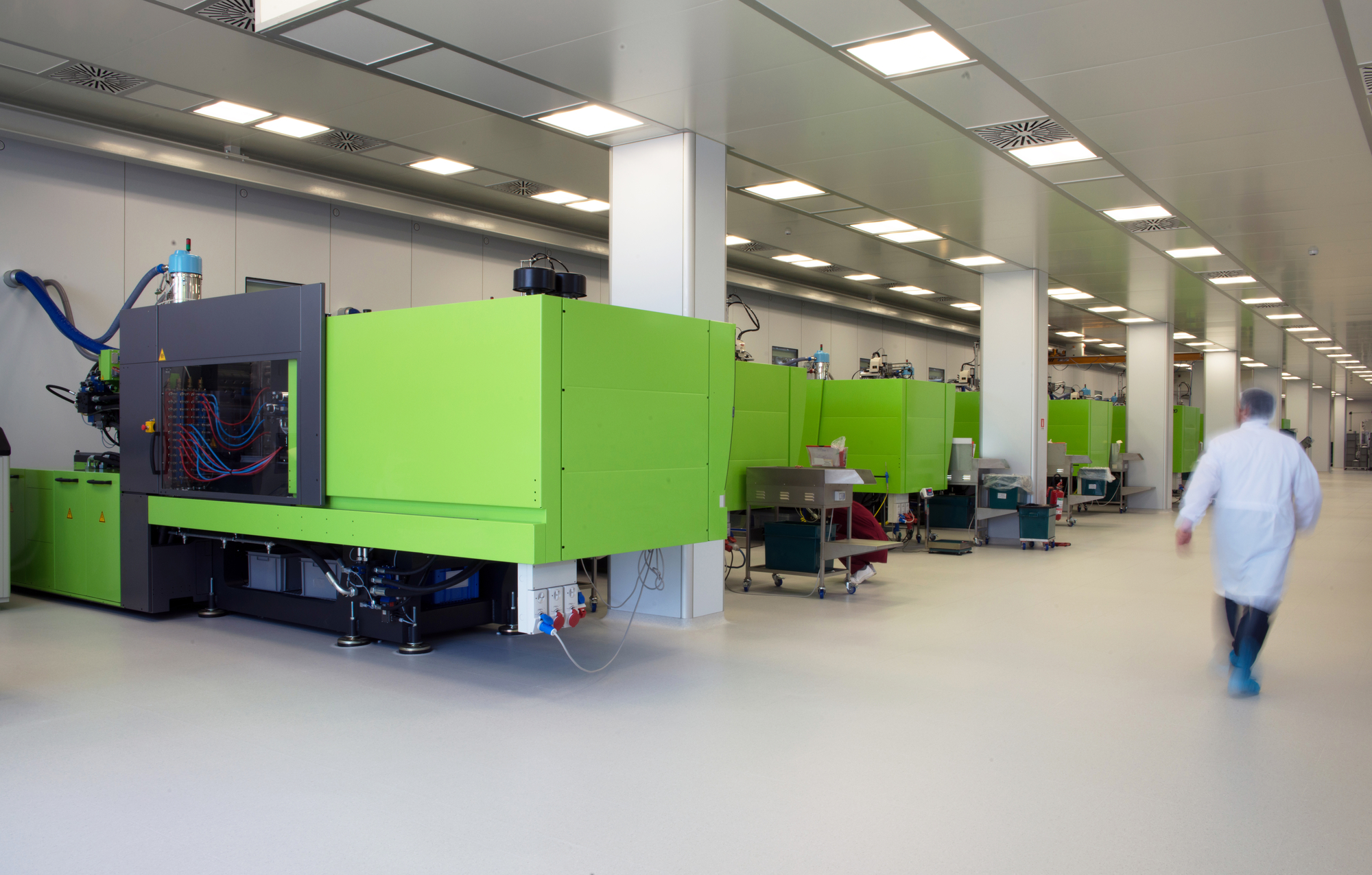
Injection molding of biomedical products in clean room

What is a rental lab?

It is a laboratory that can be rented from companies that conduct joint research with universities for a fee. By establishing a research and development system for companies and government agencies within the university, it is possible to receive research support daily from university researchers and promote industry-academia-government collaboration.

Lab rental with fume hood: Are your scientists eager to share space and equipment between them? Second, the solution is to rent a lab that holds the chemicals and all the equipment like Fume hood, scientists need to produce and continue production.

Laboratory and apparatus rental: The fact is that scientists are protective person, and each has its own manner of arranged work, reagents, and tools. Renting labs and equipment can be a challenge for companies looking to enlarge their research without making large investments in infrastructure.

Laboratory rent with natural hood: If you rent a lab with a natural hood, make sure that the outside air does not reach expensive cell cultures and that the working virus preparation does not infect the surroundings. That’s why renting a biotechnology lab and doing some cell culture experiments is the best way to speed up the R & D process.

Benefit of leasing lab space

New companies and existing names alike can also take advantage of resources by renting lab space. You also can take many advantages by leasing lab space, look at these advantages.
    • Instant access to tools and space: Building a new lab takes time and money, but many organizations don’t. The Leasing Lab allows researchers to work on short or long term projects immediately.
    • Simple network: Research centres that provide laboratories for leasing often encourage the creation of networks between tenants. The diversity of opinions and experiences at Science Park exposes its members to new advice and ideas.
    • Equipment rental: Payment for new equipment does not always fit the organization’s budget. They may have a temporary need. Rent a lab a science park often rents scientific equipment.
    • Office space and meeting rooms: An organization may not always need office equipment. However, the official locations visited by guests will improve the customer’s impression.
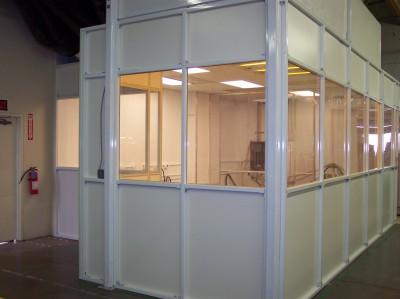
Portable labs are modular, controlled environments, such as all types of clean rooms of various sizes that can be easily assembled in and out of any space. This means you can set up a portable clean room in your own room, lab, or facility. Very affordable with clean rooms for rent for various uses.

Wednesday, 26 February 2020

Benefits of a modular cleanroom

The trend in cleanroom technology is changing rapidly. Everything is changing, from cleanroom equipment to clothing. In addition, due to dizzying prices, pharmaceutical companies need to think twice before building cleanroom facilities, especially if the product has not yet been approved. To avoid this uncertainty of producing unapproved products, companies are now adopting a modular concept.

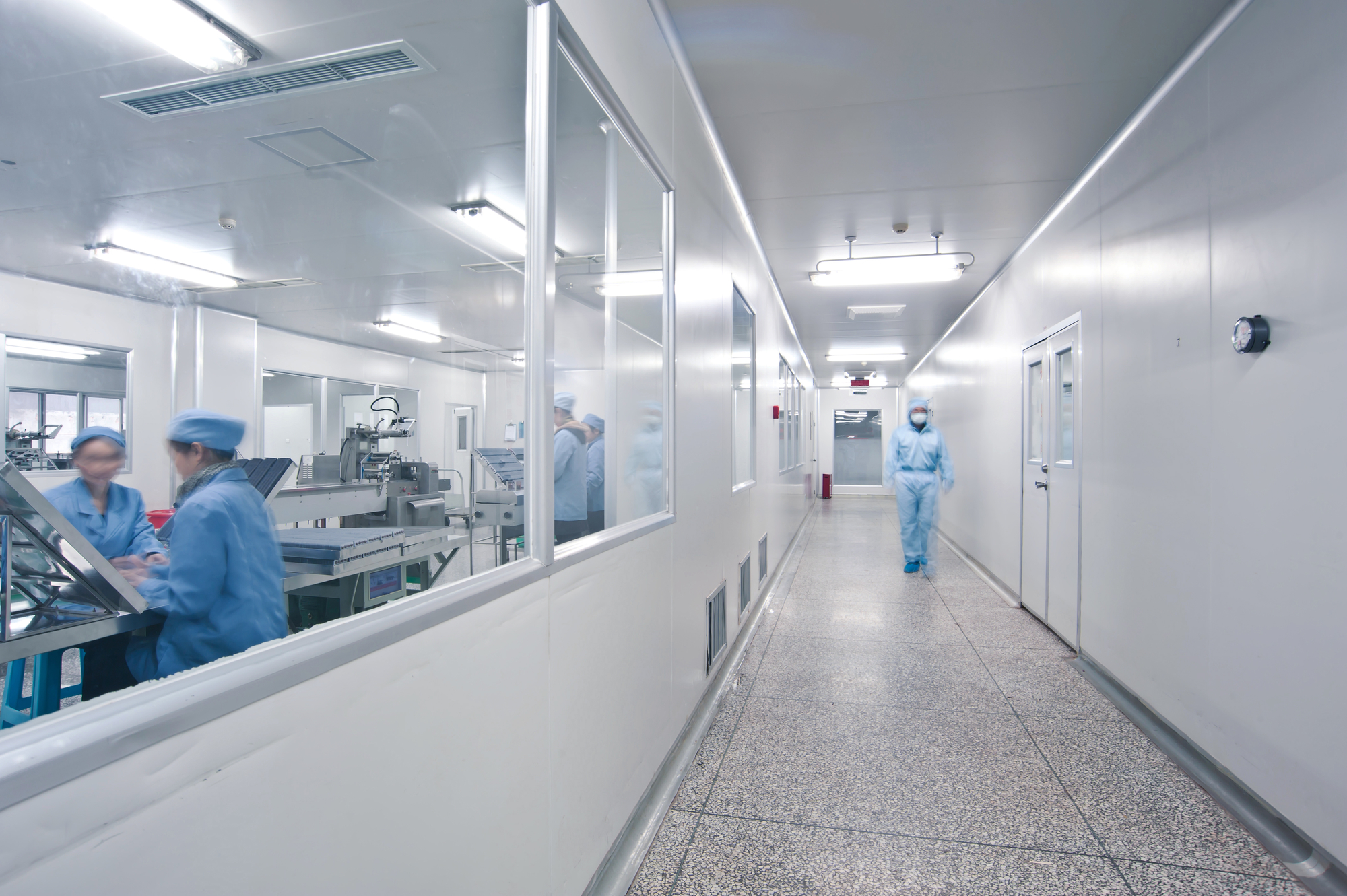
Technicians working in the pharmaceutical production line
  1. Modular clean room is a state-of-the-art technical alloy that uses insulated steel sandwich panels of various core and cladding materials in the construction of the room instead of cement mortar. It helps save time, room isolation and certain units Energy saving by changing from to another unit. Depending on the feasibility and displacement of a clean room on the same floor, industry experts say.
  2. Modular cleanroom partitions are the ideal alternative to traditionally built civil walls. First, they do not throw particles like civil walls, so they contribute less to the particles in the air, and second, they are easier to clean every day. The wall thickness of the modular partition is less than the wall thickness of the citizens; it is an area suitable for use in clean rooms.
  3. Modular cleanrooms are most commonly used in larger cleanrooms in manufacturing space. These cleanrooms are flexible for long-term expansion and for moving large equipment through removable wall panels. It also offers the flexibility to use HVAC recirculation or recirculation designs. In addition, due to the construction of the various wall panels and surface materials, these systems are practical in virtually any Controlled environment.
  4. A separate modular clean room has many distinct advantages over a corresponding fixed wall. Modular rooms significantly reduce design, engineering, and construction time, saving time, money, and taxes. All materials are pre-cut, measured and perfectly finished. No tape, polishing or painting is required. Modular rooms are not a vital part of a large construction.
  5. A modular cleanroom can be simply achieved by removing the wall and adding another element. The prefabricated design allows the room to be prolonged, reorganize or reconfigured in other ways, or into several smaller rooms. All modules of the air treatment and filtration equipment are integrated into the modular room ceiling. Electrical and plumbing connections are designed as part of the modular cleanroom.
  6. The time it takes to build a modular room is much shorter than building a permanent wall structure. The building of a clean fixed wall room can take months due to the quantity of design, engineering, and the different transactions involved.
  7. Installing a clean modular room with hard walls is quick and easy. With modular systems, everything is pre-assembled at the factory, so no specialists are needed to assemble the room, only local merchants and people in the company.
  8. The advantage of a modular cleanroom solution is that the entire installation is built off-site in a factory environment. As a result, the ability to build facilities in clean module facilities where design and construction facilities are nearby has resulted in efficient use of time and low labour and special trade costs. If you want to rent a cleanroom then contract manufacturer of cleanroom.

Saturday, 8 February 2020

What is a cleanroom?

The concept of cleanrooms implies a room of a particular area, whereby using special equipment, a fixed number of mechanical particles of a specific size, suspensions, chemical compounds per unit of air volume are maintained. The design is thought out to minimize the introduction and generation of particles within the premises.

Only the number of particles per unit volume of air is subjected to control. Mass concentration does not matter. This property is a distinctive feature of cleanrooms. Fractions ranging in size from 0.1 to 5 microns are taken into account.

Why clean rooms

The need to use this type of room is due to the allocation of personnel, equipment, building structures of many particles that become a source of pollution. Compliance with clean standards established standards provides the ability to control the movement of particles. Ultimately, suitable conditions are created for the manufacture of products in a Controlled environment.


The use of cleanrooms is relevant to many industries. The main criterion is the possibility of disruption of the functioning of finished products or reduction of their life due to the entrance of the smallest foreign particles. The relevance of strict compliance with requirements for the level of cleanliness in a particular room is increasing. It should be bear in mind that the creation of such a place is only part of the activities. You will also need to use the equipment, clothing for staff that emits a minimal amount of polluting elements. The strict observance by the personnel of the rules of work in a cleanroom is also essential.

The purpose of cleanrooms is to maintain a given level of airspace cleanliness within the designated framework, taking into account the requirements of technological processes that have increased sensitivity to pollutants.

Types of cleanrooms

The specifics of the air supply system. Design, the size of the cost of creation, is mostly due to the nature of the airflow. The following cleanroom conditions are distinguished:

constructed: the room is prepared for operation; however, it does not have technological equipment, necessary materials, no working personnel;

equipped: the place is ready for work, it has debugged technical machine, there are no people;
The use of automated technical means ensures the cleanliness of the airspace of the Clean Room Rental Murieta. Ways to achieve the goal include organizational activities and the use of protocols that prevent the entry of pollution from outside with the help of staff.

Specified criteria determine the types and types of cleanrooms.

By the method of providing ventilation:

Turbulently ventilated clean room. Air mass is supplied using air distributors or ceiling filters. The classic version of the air supply is a crucial feature of the rooms.

Cleanroom with laminar airflow. Air mass enters the room thanks to a system of highly efficient filtering structures. When air passes through the room, the specified direction of movement is maintained. Allow for a higher level of purity.

Clean areas of modular variety. They are used within a cleanroom to ensure the highest level of pollution protection. Such mini-zones for separation of a production site with increased sensitivity to pollution are created by installing physical barriers. Within this limited space, a higher quantity of high-quality air is provided in comparison with the other volume of the room.

If there is any setback with the equipments in cleanroom we should directly contact to contract manufacturer.

Friday, 17 January 2020

What are the types of fume hoods used in labs?

Different types of fume hoods ensure safety when performing laboratory tests and carrying out all kinds of work with reagents. They are used in many industries, medical and educational institutions. A modern fume hood is a lockable chamber with ventilation suction
The standard design of fume hoods
The designs of such equipment are similar, regardless of type and purpose. They consist of:
  • The working chamber. For ease of control, a glazed wall with a movable door is provided.
  • The pulling dome. Through the hood, air masses are removed from the inner chamber.
  • Collapsible frame. Part of the housing may be a built-in cabinet.

Depending on the model and the wishes of the customer, water, electricity, or gas can be supplied. To prevent the tabletop from being damaged for a long time, chemically resistant materials are used for its manufacture.
The main types of fume hoods
If we consider the types of Fume hood, they can conditionally be divided into categories. Designs that combine the functions of a treatment plant and furniture differ not only in capabilities but also in acceptable operating conditions. Depending on these factors, the following varieties are distinguished:
Small wardrobes. They are suitable for removing residual reagents from laboratory glassware.
100_0323_d400.jpg

General laboratory cabinets. Suitable for research not only in educational institutions but also in production. They are also often chosen for an installation in medical facilities. Mandatory in them is the auto-off function, as well as the presence of splash-proof sockets and lighting for the manufacture of cabinet porcelain or plastic, resistant to chemical influences.
Ovens. Ovens are used to drying or removing a certain amount of moisture. Such equipment is most relevant. With the help of such devices, various materials and objects are processed, laboratory experiments are carried out.
Various types of Fumehood for laboratories make it possible to quickly and accurately carry out various processes without harming the health of personnel. With their help, you can achieve high accuracy results and reliable cleaning of materials.

What technical characteristics are important when choosing a fume hood
Fume hood - the technical characteristics of the equipment must correspond to the design features of the room. It is necessary to take into account not only the size of the room but also the general condition of the wiring. Choosing the optimal model consider:
Sizes. It is necessary to clarify the dimensions of the cabinet and the working chamber, the design with the glass raised and lowered. Width, depth, and height are indicated in millimetres.
Mass.  Net enclosures with or without stand.

Power. The manufacturer must inform about the power consumption (W), without taking into account the load on the outlet blocks.
Load. The maximum permissible total impact (W) on the outlet blocks is indicated.

Key Features of Chemistry Lab Fume Hood
Standard fume hood for a chemical laboratory - the characteristics that determine the functionality of the equipment are indicated in the description of each model. Depending on the manufacturer and the needs of the customer, different can be:
The area and material of the work plane;

  • Extraction power and its design;
  • Water or gas supply system;
  • Direction and adjustment of airflow.

Thursday, 9 January 2020

What are the types of fume hoods used in labs?

Different types of fume hoods ensure safety when performing laboratory tests and carrying out all kinds of work with reagents. They are used in many industries, medical and educational institutions. A modern fume hood is a lockable chamber with ventilation suction
The standard design of fume hoods
The designs of such equipment are similar, regardless of type and purpose. They consist of:
  • The working chamber. For ease of control, a glazed wall with a movable door is provided.
  • The pulling dome. Through the hood, air masses are removed from the inner chamber.
  • Collapsible frame. Part of the housing may be a built-in cabinet.
100_0143_d4001.jpg
Depending on the model and the wishes of the customer, water, electricity, or gas can be supplied. To prevent the tabletop from being damaged for a long time, chemically resistant materials are used for its manufacture.
The main types of fume hoods
If we consider the types of Fume hood, they can conditionally be divided into categories. Designs that combine the functions of a treatment plant and furniture differ not only in capabilities but also in acceptable operating conditions. Depending on these factors, the following varieties are distinguished:
Small wardrobes. They are suitable for removing residual reagents from laboratory glassware.
General laboratory cabinets. Suitable for research not only in educational institutions but also in production. They are also often chosen for an installation in medical facilities. Mandatory in them is the auto-off function, as well as the presence of splash-proof sockets and lighting for the manufacture of cabinet porcelain or plastic, resistant to chemical influences.
Ovens. Ovens are used to drying or removing a certain amount of moisture. Such equipment is most relevant. With the help of such devices, various materials and objects are processed, laboratory experiments are carried out.
Various types of Fumehood for laboratories make it possible to quickly and accurately carry out various processes without harming the health of personnel. With their help, you can achieve high accuracy results and reliable cleaning of materials.

What technical characteristics are important when choosing a fume hood
Fume hood - the technical characteristics of the equipment must correspond to the design features of the room. It is necessary to take into account not only the size of the room but also the general condition of the wiring. Choosing the optimal model consider:
Sizes. It is necessary to clarify the dimensions of the cabinet and the working chamber, the design with the glass raised and lowered. Width, depth, and height are indicated in millimetres.
Mass.  Net enclosures with or without stand.
Power. The manufacturer must inform about the power consumption (W), without taking into account the load on the outlet blocks.
Load. The maximum permissible total impact (W) on the outlet blocks is indicated.

Key Features of Chemistry Lab Fume Hood
Standard fume hood for a chemical laboratory - the characteristics that determine the functionality of the equipment are indicated in the description of each model. Depending on the manufacturer and the needs of the customer, different can be:
The area and material of the work plane;

  • Extraction power and its design;
  • Water or gas supply system;
  • Direction and adjustment of airflow.

Monday, 30 December 2019

Learn more about extraction hoods and its types

The hoods are a type of ventilation system with the primary function of protecting the user from exposure to chemical vapors, gases, dust and aerosols. Fume hood also function as physical barriers between reagents and the laboratory, offering protection against inhalations, spills of hazardous substances, reactions and fire.

laboratory indoor

A typical Fumehood bell has a box-shaped structure with a mobile window. Experiments are carried out inside the hood that is constantly and safely ventilated, usually by fans and ducts. Chemical vapors are extracted and diluted many times in the atmosphere making them harmless to human health. If there are environmental concerns, a treated extraction system can be installed to remove most of the vapors from the external air stream.

The Low hood works by maintaining negative air pressures inside the cabin and thus preventing the escape of any air particle outwards. The speed at which the air enters the hood is very important to ensure the safety and effective operation of the equipment, since this is how the protective barrier is created that will not let any of the contaminated air inside. High speeds can generate turbulence that will allow indoor air to escape, but low speeds may not be enough containment.

In Lowhood, a frontal flow rate between 0.3m / s (60 feet per minute) and 0.5m / s (100 feet per minute) is recommended, however, it is important to review the safety regulations applicable in your area.

Types of extraction hoods

Table extraction hoods, for general uses.

Distillation hoods: It is characterized by having a very low base, which translates into a large workspace, which allows large distillation equipment to be installed inside the cabin. Its other characteristics are very similar to standard bells.

Bells for perchloric acid: Perchloric acid reacts violently with organic materials, so these bells require incorporating a washing system in order to prevent perchlorate residues. The inner liners are made of acid resistant materials such as stainless steel and the corners are rounded for easy cleaning. All procedures that use this acid must be carried out in a hood of this type to avoid dangerous reactions when coming into contact with other substances.

Radioisotope hood: It is used to protect users from radioactive material. It has a special base to support the cabin made from lead. The interior is stainless steel and rounded corners.

Bells for acid digestion: They have special coatings made of highly acid resistant materials for example non-plasticized PVC; for complete acid digestion applications that need high temperatures, materials for example PVDF should be used. The front panel can be made of polycarbonate to resist scratches of hydrofluoric acid.

Floor bells: Used for applications that requires large devices. As the name implies, these bells are mounted on the ground and do not have a work surface, which makes it easier for cabin equipment to enter and exit.

Bells for demonstration: it has 4 glass sides and is commonly used for teaching, as it allows students to see the teacher's maneuvers from any angle.

Wednesday, 11 December 2019

Commercial Rental spaces and rooms for labs

The philosophy of the service providers lies in a continuous evolution and adaptation of all services to the needs of all customers, so company create a specific engineering department for clean rooms, laboratories, containment areas, critical environment, etc.

A project that has experienced spectacular growth in recent years has allowed team to project a technological and innovative image. Clean Room Rental Murieta offers a wide variety of services, ranging from conceptual design, engineering and detail project; construction and assembly, commissioning, qualification and finally the validation of the room.

laboratory indoor

All contract manufacturer projects are carried out under the highest quality, in accordance with the ISO, GMP, GLP, FDA & EMEA standards and regulations of each country
Cleanroom services offer its Comprehensive, After Sales and Maintenance Service according to the specific needs of all its customers.

It is therefore most innovative bet since for a white room to enter service it must be validated, so the level of demand throughout the process is maximum.

Clean rooms can be divided into sectors in technology, pharmaceutical, hospital, biosecurity and food and in each of them we find their most frequent uses.

Clean rooms, also called clean rooms or Controlled environment are an essential instrument in certain production and research processes.

The HVAC facilities of the clean rooms is another aspect that requires maximum attention if you want to guarantee the maximum operability of them. The control of the temperature and humidity in these spaces is the key and for this the air treatment must adjust to the conditions and measurements of the rooms creating an air sweep that helps the purification of the area. Through centralized or distributed HVAC systems, the temperature and humidity are controlled to achieve good comfort, the number of renovations needed per hour and a minimum consumption.

The phases of any clean room installation process could be summarized in the following aspects:

The clean room design project
Clean room Architecture
Clean room Filtration
Air conditioning of clean rooms
Thorough cleaning of personnel or material
Clean room Features

Some of the safety systems that prevent the material with which it works are contaminated by environmental microorganisms are:

The air entering the laboratory is sterile since it has been filtered to remove suspended particles and microorganisms. It is completely renewed several times per hour so as not to accumulate dust.
The rooms are maintained on a pressure scale slightly higher than outside, so that when the doors open the air leaves and no outside air can enter, contaminated with microorganisms.
The walls are covered with vinyl and the corners are rounded to avoid dirt accumulations.
There is only a sink in the validation room, to prevent the entry of microorganisms in the production area.
Operators must wear special suits to avoid carrying contaminants or generating dust particles.
The locks maintain pressure differences between the rooms and isolate them from the outside.
Company makes some of its spaces available to companies for holding external or internal work meetings, product presentations, courses and all kinds of business meetings.
Multipurpose, accessible, air-conditioned spaces, with WIFI connection, strategically located a few meters from the highway and with ample parking, created to make available to companies a whole range of services aimed at organizing meetings, presentations, courses, etc.